Experienced Cabling & Bracing North Florence
Uncover the Essential Services Offered by a Professional Arborist for Optimal Tree Health
A professional arborist provides numerous services vital for ensuring tree wellness and beautifying outdoor spaces. Their expertise in tree pruning promotes growth and reduces risks. They also identify and treat tree diseases, making sure personalized treatments are established - Florence Arborist. Additionally, arborists manage secure tree removal and can assist with planting and transplanting. Their role is especially important during critical situations like storm damage. Being aware of these services can significantly affect one’s approach to tree care
The Value of Tree Pruning
Although many homeowners often neglect the importance of tree pruning, it serves a vital function in preserving the health and aesthetics of trees. Effective pruning assists trees in building a strong structure, taking away dead or sick branches that could create hazards. By selectively trimming branches, the tree can concentrate its resources on healthy growth, promoting better air circulation and sunlight penetration. Additionally, pruning can enhance the overall appearance of the tree, contouring it for attractiveness in residential landscapes.
Moreover, regular pruning can avoid possible dangers, such as falling branches during storms or high winds, which could cause property destruction or cause personal injury. It also aids in the prevention of pest infestations and diseases by improving the tree's resilience. Ultimately, hiring professional arborists for tree pruning guarantees that trees remain healthy, safe, and aesthetically appealing, greatly contributing to the overall beauty and value of the property.
Identifying and Treating Tree Diseases
Tree health can be considerably affected by various diseases that may not always be readily apparent. A professional arborist serves a vital function in detecting these problems soon, utilizing a combination of visual inspections and testing equipment. Symptoms such as unusual leaf coloration, wilting, or abnormal growth habits often point to underlying wellness concerns. Arborists assess these symptoms to pinpoint particular diseases, whether fungal, bacterial, or viral in nature.
Following the diagnosis, the tree specialist creates a specific treatment strategy. The plan often involves specific applications, such as bactericides or fungicides, and cultural practices that boost the tree's resistance. Moreover, adequate irrigation, mulching, and nutrition helps greatly enhance tree health and ability to fight off illness. Consistent observation and follow-up treatments are critical to effective management, securing the long life and vigor of the trees. By taking a proactive approach to tree diseases, tree specialists ensure the beauty and ecological benefits provided by healthy trees.
Best Practices for Tree Felling
Effective tree removal practices are critical for securing safety and minimizing damage to nearby structures. Expert tree specialists conduct a detailed analysis of the tree's condition, where it is situated, and the immediate vicinity before beginning the felling process. Arborists use specific tools, such as rigging equipment and chainsaws, to guarantee precise cuts and manage the tree during its descent.
A well-planned removal strategy includes identifying potential hazards, such as structures or overhead wires, which can compromise the safety measures. Professionals commonly utilize the process called "sectional dismantling," in which the tree is taken apart in smaller segments, reducing the risk of falling debris.
In addition, professionals comply with municipal guidelines to ensure adherence and responsible environmental care. After the removal, thorough clearing and removal of the tree learn now debris, stump removal being included, help improve the overall security and look of the landscape.
Guidelines for Tree Installation
The process of tree establishment demands close attention of site selection and planting techniques to ensure future vitality and development. An appropriate setting greatly affects a tree's development, while proper planting methods minimize stress and promote successful establishment. Professionals stress these considerations as essential for enhancing the health and lifespan of trees in various settings.
Choosing the Right Location
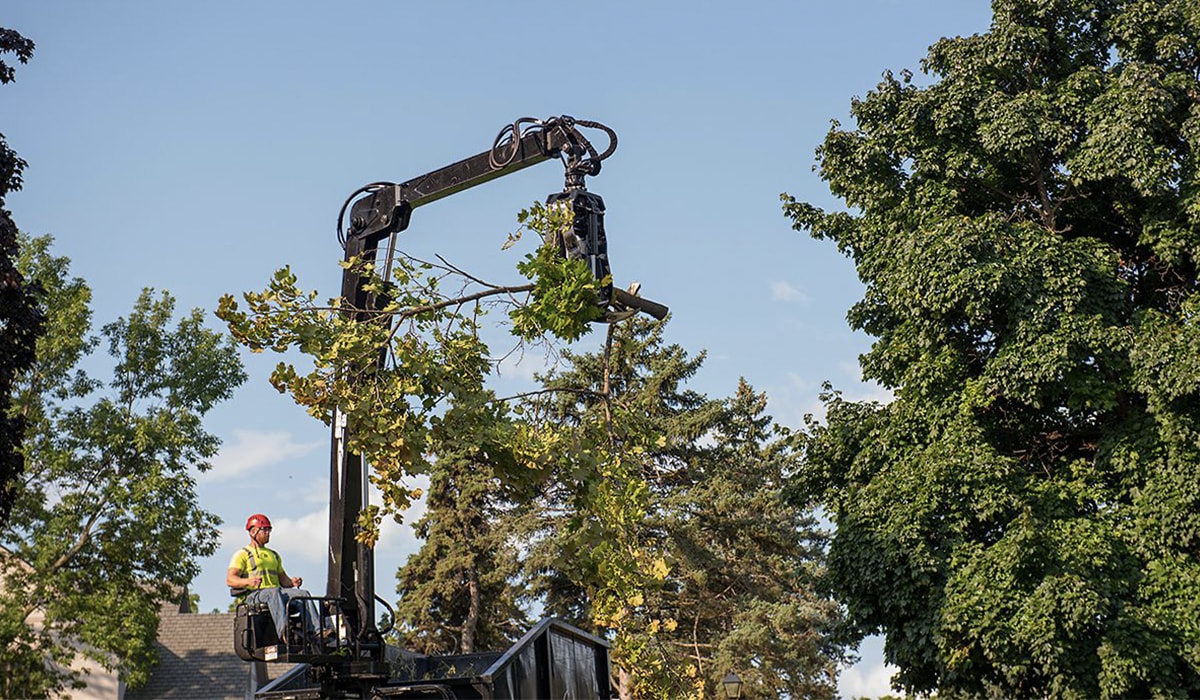
Selecting an appropriate site for relocating or establishing trees is essential for their future development and vitality. Factors such as the condition of the soil, the amount of sun, and water runoff must be thoroughly assessed. Certified arborists assess the site's characteristics, to guarantee that the chosen spot has enough food sources and proper foundation for the trees. Furthermore, the closeness to current buildings and other plants is vital to avoid resource contention and avoid potential damage. Tree specialists also factor in the tree’s full-grown dimensions and root structure, making sure there is ample room to expand. By conducting a thorough site analysis, these experts help clients choose wisely that promote healthy, thriving trees, ultimately enhancing the landscape’s visual appeal and natural benefits.
Ideal Planting Techniques
Once the site has been carefully assessed and selected, the subsequent phase requires employing ideal planting techniques for trees. Meticulous digging of the hole is essential; it should be two times wider than the root mass and not deeper than the root mass. The plant must be positioned in the opening so that the top of the root ball is level with the surrounding soil. Refill using the original dirt, making sure to eliminate air gaps, and soak the area well to encourage early root growth. Mulching around the base aids in water retention and keep weeds down. Florence Arborist. For transplanting existing trees, care must be taken to reduce root trauma and move the tree while it is inactive for the highest rate of success. Adhering to these methods fosters healthy growth and longevity
Emergency Response to Storm Damage
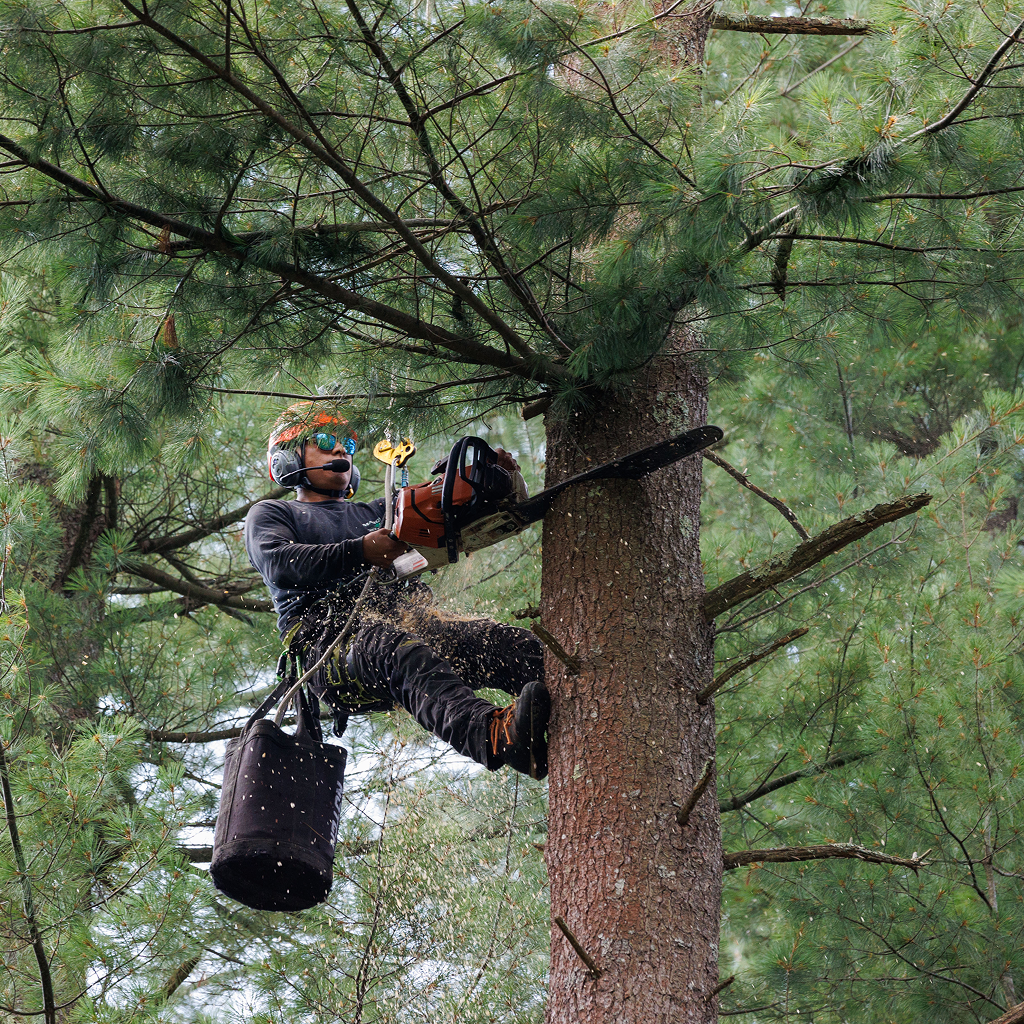
After powerful weather events occur, the resultant conditions may leave trees in hazardous situations, creating threats to buildings and people. Certified tree experts are crucial in immediate action, evaluating storm-damaged trees to check how safe and healthy they are. Their knowledge enables them to determine which plants can be saved and which are serious, instant risks that require extraction.
Equipped with specialized tools, arborists can safely prune broken branches and clear debris, minimizing further damage to nearby locations. The experts also give useful recommendations on risk mitigation, such as picking durable tree varieties for future planting.
In addition to immediate response, tree specialists assist clients in grasping the potential long-term effects of storm damage, giving counsel on how to repair and revive. Through quick and effective action, certified tree experts safeguard assets but also contribute to the restoration of the local environment once the tempest has passed.
Tree Nutrition and Soil Management
After the devastation caused by storm damage, focus shifts to the condition of surviving trees, underscoring the importance of nutrient assistance and ground care. A qualified tree expert assesses soil conditions and tree health to determine specific nutritional needs. Trees must have vital elements, such as nitrogen, phosphorus, and potassium, to heal and grow strong post-stress incidents.
Ground care is vital to how nutrients are accessed and the growth of roots. Arborists may recommend ground improvements, including organic matter, to improve the ground's composition and microbe function. The correct pH balance are also evaluated, as they influence how nutrients are absorbed.
Applying mulch can keep the ground moist and prevent weed growth, making a suitable condition for the tree's recuperation. With a detailed feeding regimen and applying successful ground care techniques, arborists guarantee trees regain strength, resilience, and overall health, vital for maintaining a balanced ecosystem following major environmental events.
Frequently Asked Questions
How Often Should I Have My Trees Inspected?
Trees should be checked annually for maximum vitality. Nevertheless, checking them more often could be needed for younger trees, following harsh storms, or if any signs of distress or disease are observed.
What Expertise is Needed in an Arborist?
In your search for a tree expert, one should prioritize certifications such as ISA (the ISA) accreditation, applicable work history, adequate protection, and a good standing within the community, ensuring expertise in arboriculture and safety practices.
What Specialized Gear Do Arborists Need for Tree Care?
Arborists employ various specialized tools for tree care, such as chainsaws, pruning shears, climbing gear, and stump grinders. Each tool serves a specific purpose, allowing for proper upkeep, pruning, and removal of trees while promoting overall health and safety.
In What Ways Does the Weather Impact Tree Health?
The climate significantly affects tree health; too much water often causes root rot, while dry spells put strain on trees. Temperature extremes can lead to the destruction of leaves and branches, consequently impacting growth, durability, and overall vigor of the trees.
Can I Perform Tree Care Myself, or Is it better to hire an expert?
While some basic tree care tasks are manageable by homeowners, hiring a professional is often advisable - Florence Arborist. Specialists are equipped with unique expertise and gear, to make sure the trees receive the right maintenance needed for ideal health and growth